Cultivation 101: How Xianxia Power Systems Actually Work
Qi, dantians, golden cores, tribulations, and why everyone is obsessed with realms: the complete beginner's manual to cultivation fantasy.
Updated 2026-07-02
Every cultivation story is secretly the same story: a human being decides that dying is optional and puts in the work. Everything else, the sects, the pills, the lightning, the ten thousand chapters, hangs off that decision. Here is the machinery, in the order you will meet it.
The premise
The world is full of qi, vital energy. Most people never touch it. A cultivator learns to draw qi into the body, refine it, and store it in the dantian, an energy center below the navel. Do this for years and you get strength, longevity, and eventually powers indistinguishable from magic. Do it for centuries and you might become an immortal.
Cultivation (修炼, xiulian) adapts real Daoist internal alchemy into a game-like progression system, and that system is the skeleton of xianxia and most xuanhuan.
The ladder
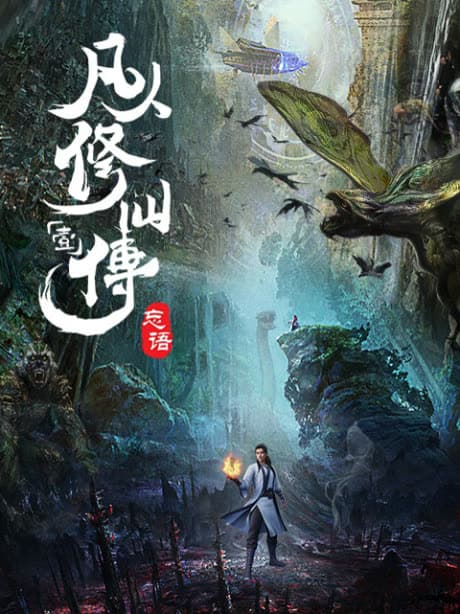
Authors invent their own realm names, but the classical ladder (used nearly straight in A Record of a Mortal's Journey to Immortality) runs:
- Qi Refining (炼气): learning to absorb and circulate qi. The mortal grind.
- Foundation Establishment (筑基): the first true gate; the body becomes a proper vessel.
- Core Formation (结丹): compressing years of qi into a golden core. Cultivators here can fly on swords and live two or three centuries.
- Nascent Soul (元婴): the core hatches into a nascent soul, a soul-double that can survive the body's death.
- Spirit Severing / Deity Transformation and beyond: realm names multiply; the theme is shedding humanity layer by layer.
- Ascension (飞升): outgrowing the mortal world entirely and ascending to a higher one, where the ladder starts again.
Within each realm there are usually early, middle, late, and peak stages. Yes, characters can smell each other's stage. No, they cannot always smell it correctly: concealing your realm is half the genre's plot twists.
The obstacles
Breakthroughs are dangerous. Advancing between realms means forcing your body and soul through a wall. Fail and you stagnate, cripple your foundations, or explode. This is why characters barricade themselves in sealed chambers for years.
Heaven audits progress. Major breakthroughs summon a tribulation: waves of divine lightning, or heart demons that attack your resolve from inside. Survive and you are tempered; fail and you are ash.
Resources are everything. Qi-rich land, spirit stones, elixirs, techniques: all hoarded by sects and clans. Cultivation worlds are brutally Malthusian, which is why sect politics, auctions, and treasure hunts drive so many arcs, and why the poor outsider protagonist is the genre's favorite starting point.
Lifespan is a countdown. Each realm grants years; running out of them mid-realm is a real death sentence. The genre's quiet horror is old monsters gambling everything on one last breakthrough.
Why it works as drama
The system makes progress measurable and stakes legible: you always know roughly who can beat whom, so when the underdog wins anyway, it lands. It also scales: a story can start with schoolyard rivalries and end with its hero fighting the concept of heaven, without changing rules. And the dao layer, where later realms depend on comprehension rather than raw power, lets authors turn philosophy into fight scenes.
Once you internalize the ladder, every cultivation donghua becomes instantly readable: the sneering young master is a Foundation Establishment speed bump, the kindly elder is Nascent Soul, and the sealed thing under the mountain is best left alone.
Where to see it done well
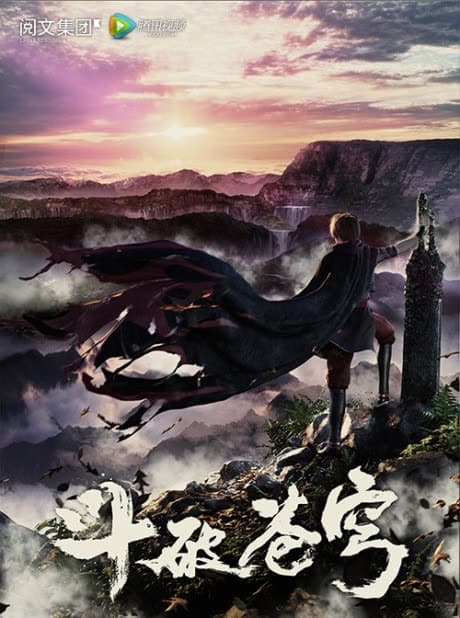
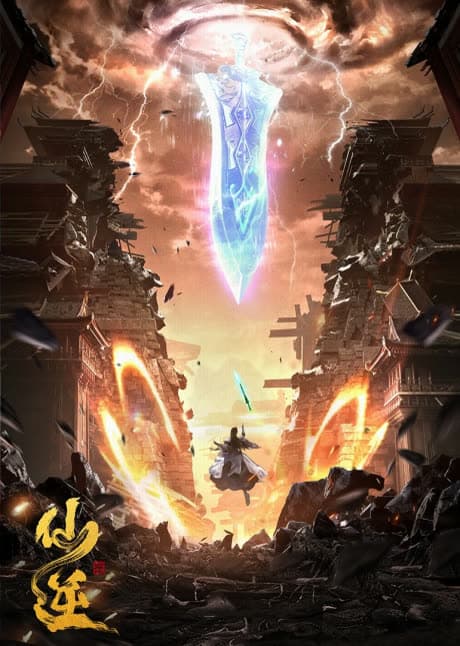
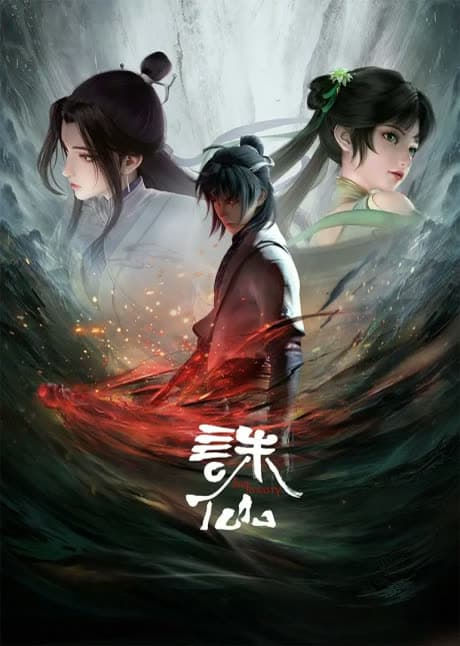
A Record of a Mortal's Journey to Immortality plays the system straight and rigorous. Battle Through the Heavens runs the crowd-pleasing version with dou qi instead of spiritual qi. Renegade Immortal uses it for tragedy: what the climb costs a decent man. And Jade Dynasty descends from the novel that codified half these tropes in the first place.