1922 → present
A Century of Chinese Animation
Donghua is older than nearly every national animation industry on Earth. It invented techniques no one else could copy, went silent for a decade, and came back to set the all-time box office record. This is the whole arc, era by era.
1922-1949
The Pioneers
Chinese animation begins with four brothers in Shanghai. Working with hand-built equipment, the Wan brothers taught themselves the craft from foreign shorts and built a national art form from scratch.
1922
The first Chinese animation
The Wan brothers (Wan Laiming, Wan Guchan, Wan Chaochen, and Wan Dihuan) produce Shuzhendong Chinese Typewriter, an animated advertising short usually cited as the first piece of Chinese animation.
1935
Sound arrives骆驼献舞
The Camel's Dance becomes China's first animated film with sound, as the Wan brothers keep pace with global technique despite wartime conditions.
1941
Princess Iron Fan铁扇公主
China's first animated feature, and one of the first in Asia, adapts the Journey to the West episode of the Iron Fan Princess. Made in occupied Shanghai, it reaches Japan and influences a young Osamu Tezuka.
1950-1965
The Shanghai School
The state-backed Shanghai Animation Film Studio turns animation into a national art project. Its mandate, in director Te Wei's words, was to stop imitating and find a Chinese way of moving.
1957
Shanghai Animation Film Studio founded上海美术电影制片厂
China's flagship animation studio consolidates the Wan brothers' generation under one roof. Its output defines the term meishu pian, or art film, for decades.
1960
Ink-wash animation invented小蝌蚪找妈妈
Where Is Mama animates literati brush painting for the first time: tadpoles rendered as living ink, after the style of painter Qi Baishi. No other country ever fully replicated the technique.
1961-1964
Havoc in Heaven大闹天宫
Wan Laiming's two-part Monkey King feature becomes the crowning work of classical Chinese animation, mixing Peking opera movement and design with meticulous full animation.
1966-1999
Interruption and Recovery
The Cultural Revolution halts production for a decade. The studios recover with a late flowering of features and shorts, then lose their footing as television and imported animation reshape the market.
1979
Nezha Conquers the Dragon King哪吒闹海
The first major feature after the Cultural Revolution, and the first Chinese animated film screened at Cannes. Its tragic, defiant Nezha remains the reference point every later adaptation answers to.
1988
Feeling from Mountain and Water山水情
The last of the great ink-wash films: a wordless story of a master and student told entirely in flowing brushwork. Widely treated as the artistic peak, and end point, of the Shanghai school.
1999
Lotus Lantern宝莲灯
Shanghai Animation Film Studio's big-budget answer to Disney proves domestic features can still draw crowds, but the industry around it is now dominated by outsourcing work and imported series.
2000-2014
The Web Era
Flash animation, video sites, and web novel culture rebuild donghua from below. Long-form series return, made cheaply in 3DCG or by tiny independent teams, and find audiences the theaters had lost.
2007
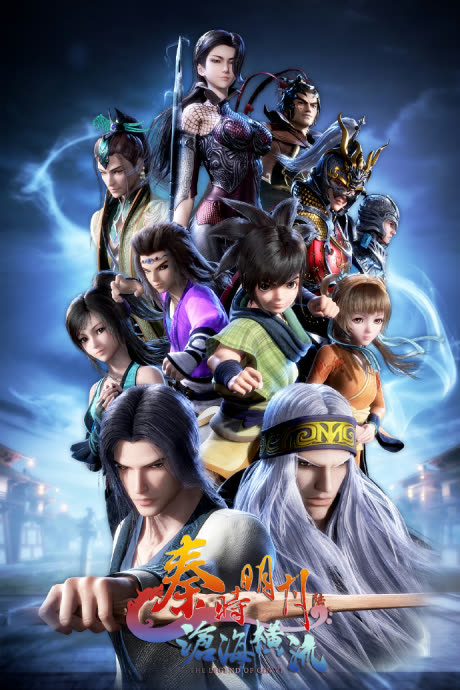
Qin's Moon begins秦时明月
Qin's Moon launches as China's first long-running 3DCG wuxia series, proving a homegrown series could sustain itself for years and training a generation of 3D animators.
2011
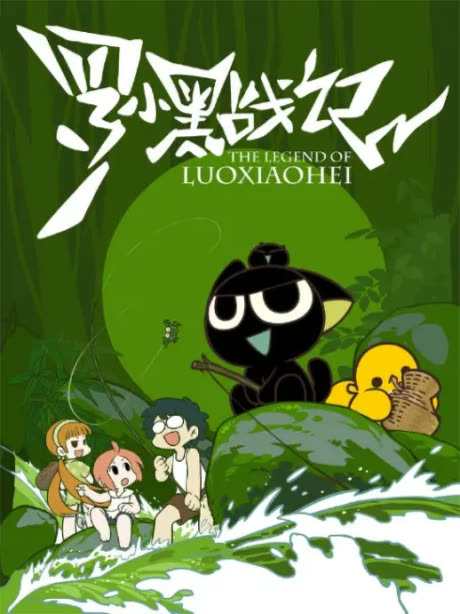
Luo Xiaohei appears罗小黑战记
Animator MTJJ starts releasing The Legend of Luo Xiaohei online: a handmade web series whose little black cat spirit becomes one of donghua's most loved characters and, later, a film franchise.
2014
Streaming money arrives
Tencent, iQIYI, Youku, and bilibili begin commissioning original animation and buying web novel rights at scale, wiring the industry that the next decade runs on.
2015-2019
The Resurgence
One surprise hit reopens the theatrical market, streaming platforms industrialize series production, and by the end of the decade donghua has record-breaking films and its first global fandoms.
2015
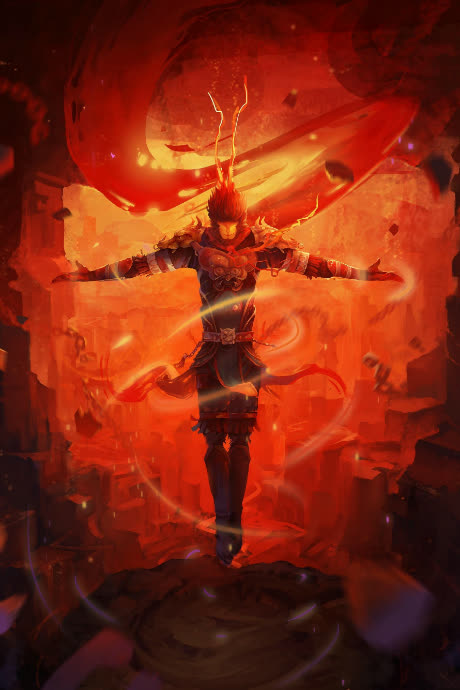
Monkey King: Hero Is Back西游记之大圣归来
Hero Is Back grosses roughly 956 million yuan on a modest budget, partly crowdfunded, and single-handedly convinces investors that Chinese animated features can compete with Hollywood imports.
2017
Series go mainstream
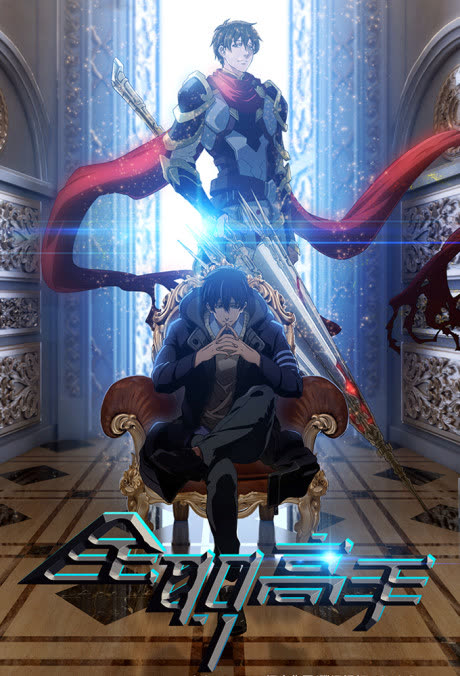
The King's Avatar brings esports donghua to a huge audience and bilibili launches its dedicated Chinese animation (guochuang) zone, giving domestic series a home platform and a fan economy.
2018
The danmei wave
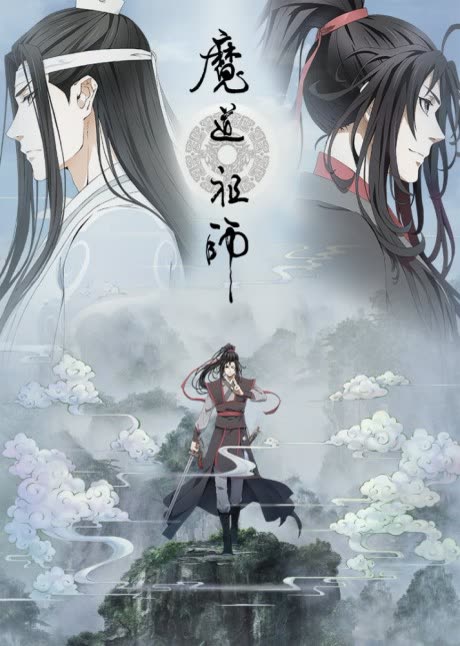
Mo Dao Zu Shi and Scissor Seven show two different futures: prestige web novel adaptations and auteur comedy that sells to Netflix.
2019
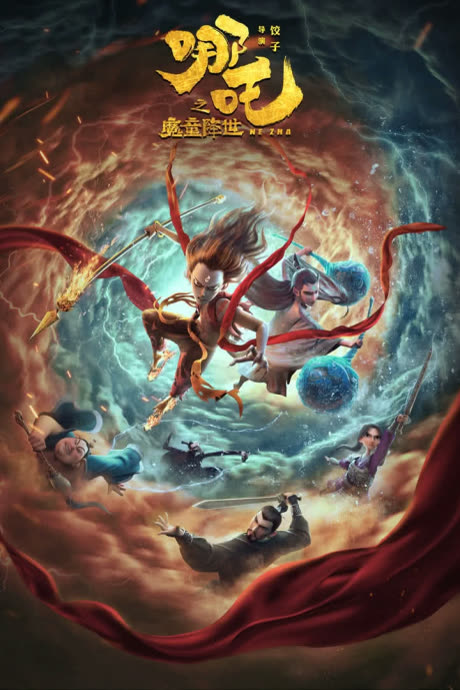
Ne Zha changes everything哪吒之魔童降世
Jiaozi's Ne Zha grosses over 5 billion yuan, at the time the biggest animated film ever in a single market, while White Snake and The Legend of Hei prove the depth behind it.
2020-present
The Global Era
Donghua stops being a domestic story. Simulcasts, dubs, and international co-productions become routine, year-round series turn cultivation sagas into appointment viewing, and a Chinese film takes the global animation crown.
2020
International doors open
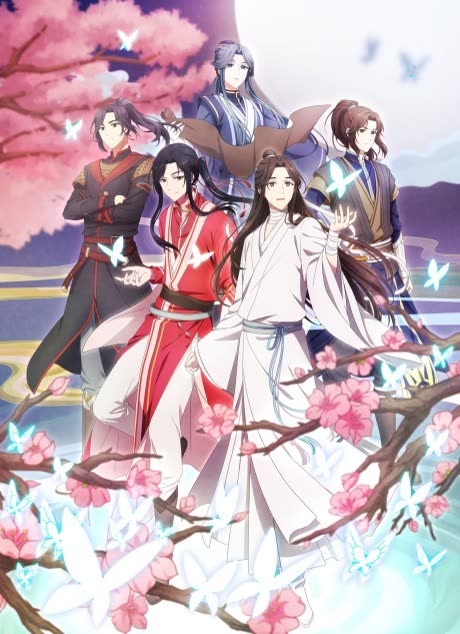
Heaven Official's Blessing debuts with international streaming and a global fandom; donghua becomes a regular presence on Netflix and Crunchyroll.
2021
Link Click and the year-round model
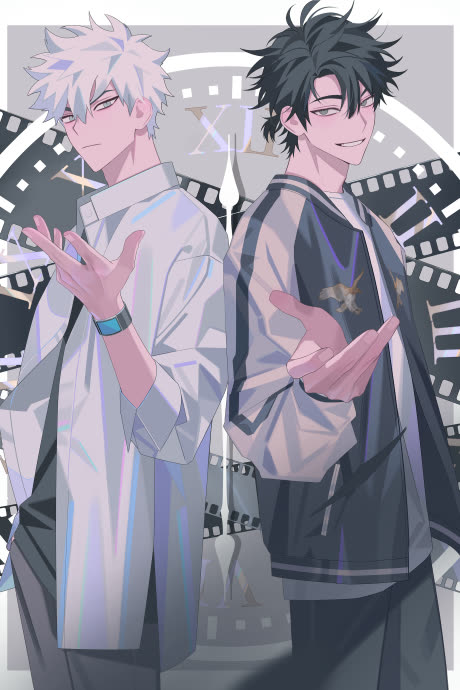
Link Click becomes the donghua even anime-only viewers recommend, while Perfect World pioneers the weekly year-round nianfan format that soon defines 3DCG donghua.
2025
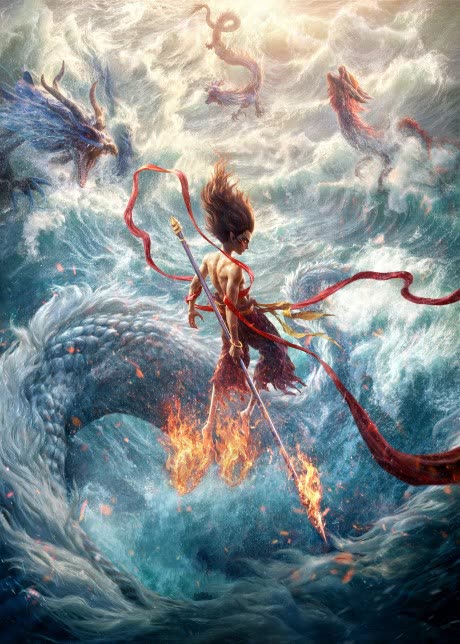
Ne Zha 2 takes the world record哪吒之魔童闹海
Ne Zha 2 grosses over 2 billion US dollars, passing every Pixar, Disney, and Ghibli film to become the highest-grossing animated film in history, the first non-Hollywood production ever to do so.