Donghua vs Anime: What Is Actually Different?
Beyond the language: how Chinese and Japanese animation differ in production, source material, release models, aesthetics, and business, and where each one shines.
Updated 2026-07-02
The lazy answer is "donghua is Chinese anime". The interesting answer is that the two industries evolved under different pressures and it shows in almost every frame. Here is the real comparison, without the tribalism.
Different source material
Anime's feeder system is manga and light novels. Donghua's is web novels: serialized epics of thousands of chapters from platforms like Qidian, plus manhua. That difference cascades. Web novel pacing (staged power systems, long arcs, face-slapping loops) shapes donghua's rhythms, and explains the dominance of cultivation fantasy the way manga's variety explains anime's genre spread.
Different release models
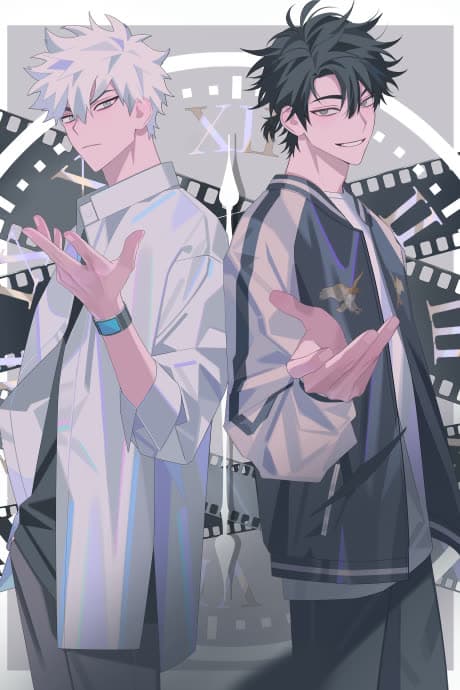
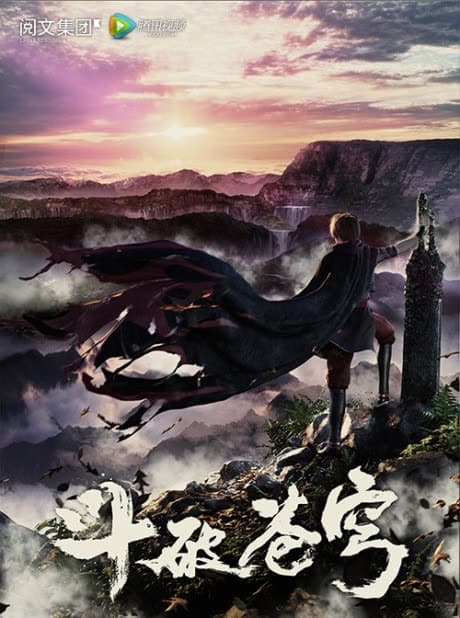
Anime runs on the seasonal cour: 12 or 24 episodes, then a gap, often years. Flagship donghua increasingly run as nianfan: roughly 50 episodes a year, every week, indefinitely. Battle Through the Heavens and Soul Land have aired essentially continuously for years. The nianfan model favors 3DCG pipelines with reusable assets, which is why the year-round shows are 3D while prestige 2D donghua (Link Click) still ship in anime-style seasons.
3DCG is mainstream, not a compromise
In anime, full-3DCG series remain a niche with a mixed reputation. In donghua, 3DCG is the default for the biggest titles, and a decade of iteration shows: current productions from the top studios feature film-adjacent rendering, elaborate fight choreography, and cloth and hair simulation that 2D budgets could not buy. If your image of "3D anime" was formed years ago, the current Tencent lineup will surprise you.
Distribution: platforms vs broadcast lineage
Anime still carries its TV heritage: broadcast slots, production committees, staggered international licensing. Donghua grew up inside streaming platforms (Tencent Video, bilibili, iQIYI, Youku) that commission, fund, and distribute in one motion. Watching with danmu bullet comments is native to the culture, and platforms publish and monetize their own shows on YouTube for international viewers, something anime almost never does.
Regulation shapes content differently
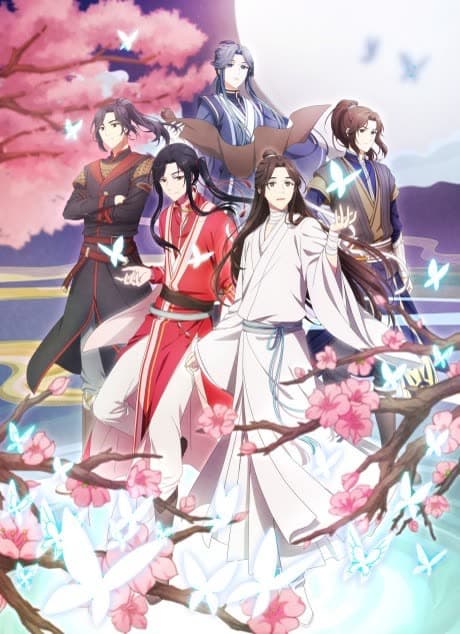
Japanese late-night anime can be violent or explicit; Chinese animation passes review before release. The visible effects: on-screen gore and sexuality are restrained, supernatural elements are sometimes framed carefully, and danmei romances become devoted partnerships written between the lines (Heaven Official's Blessing is the canonical example). Fans debate what is lost; what is undeniable is that creators have become expert at expressive subtext.
Aesthetics
Anime's visual language is globally familiar. Donghua's strongest work leans into guofeng: ink-wash textures, Tang and Song dynasty design, opera-influenced staging, guqin on the soundtrack. When donghua looks like anime, it is usually the weaker for it; when it looks like Fog Hill of Five Elements or Deep Sea, it looks like nothing else on earth.
Business scale
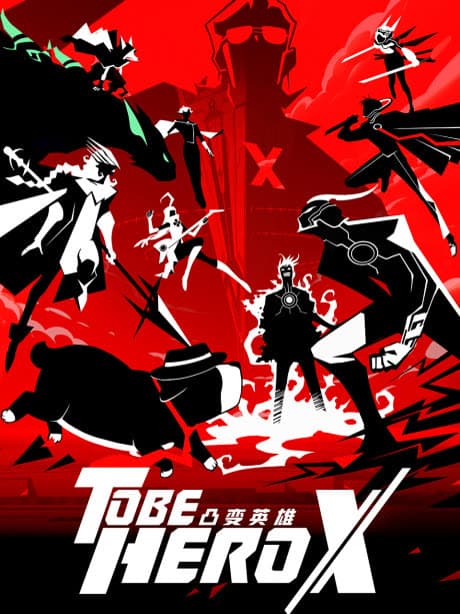
Japan's animation industry remains far larger in output and global licensing. But the gap is closing in specific lanes: China's domestic film market made Ne Zha 2 the highest-grossing animated film in history in 2025, and co-productions now run in both directions (To Be Hero X launched with Aniplex involvement and a global simulcast; several "anime" each season are quietly adapted from Chinese IP).
So which should you watch?
Wrong question; they are good at different things. Anime still wins on breadth and 2D craft depth. Donghua wins on year-round epic serialization, 3DCG action spectacle, and a mythology and aesthetic tradition anime cannot borrow convincingly. The overlap where donghua already competes head-to-head, thrillers like Link Click, is growing every year.