What Is Donghua? An Introduction to Chinese Animation
Donghua means Chinese animation: what the word covers, how the industry actually works, why it looks the way it does, and where to start watching.
Updated 2026-07-02
Donghua (动画) is simply the Chinese word for animation. Outside China, fans use it the way "anime" is used for Japan: to mean animation made in China, with its own industry, aesthetics, and storytelling traditions. If you have heard of Ne Zha 2, the film that out-grossed every animated movie in history, or Link Click, the time-travel thriller that shows up on best-of-the-year lists next to Japanese heavyweights, you have already met it.
This guide covers what the word means, how the industry is organized, and the fastest ways in.
The word, briefly
Inside China, donghua covers all animation from anywhere. The label international fans care about is really "Chinese-made donghua", which Chinese platforms call guochuang (国创, "domestic original") or guoman. In English fan usage, donghua = Chinese animation, and that is how this wiki uses the word.
Two industries in one
Modern donghua splits into two production cultures, and knowing the split explains most of what you will see.
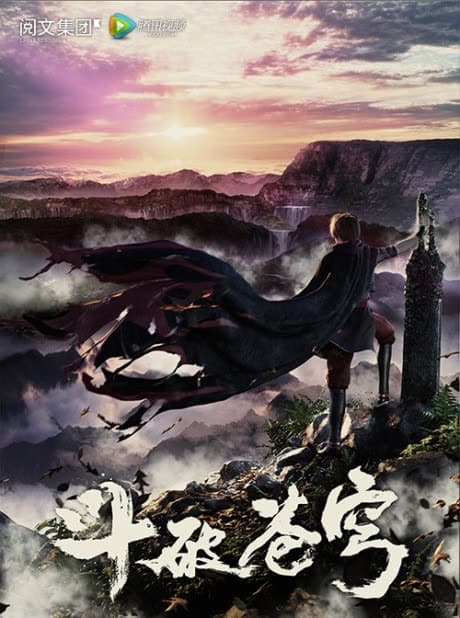
The 3DCG serial engine. Tencent Video, iQIYI, Youku, and bilibili commission long-running 3DCG series adapted from hit web novels, mostly cultivation fantasy: Battle Through the Heavens, Soul Land, Perfect World, Renegade Immortal. The flagship titles run as nianfan, "year-long seasons" that release a new episode weekly, essentially forever. Reused character assets and motion capture make the cadence sustainable, and the quality of the best current productions would have been film-grade a decade ago.
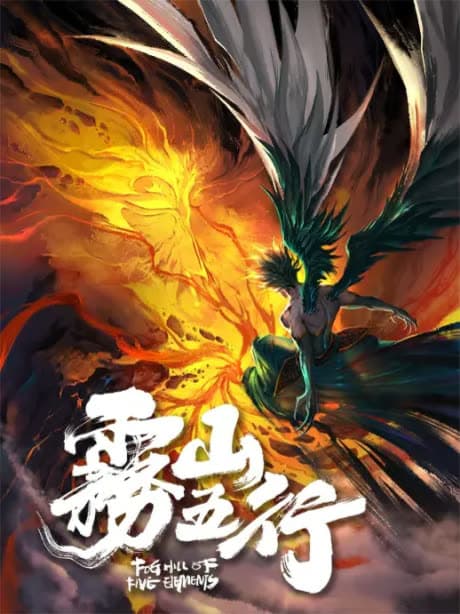
The 2D auteur wing. Alongside the serial engine is a smaller 2D tradition with a strong creator-driven streak: Link Click (Studio LAN), Fog Hill of Five Elements (essentially hand-carried by director Lin Hun), The Legend of Luo Xiaohei (started by one animator, MTJJ), and Scissor Seven (He Xiaofeng voices the lead himself). These are the series that most often cross over to international acclaim.
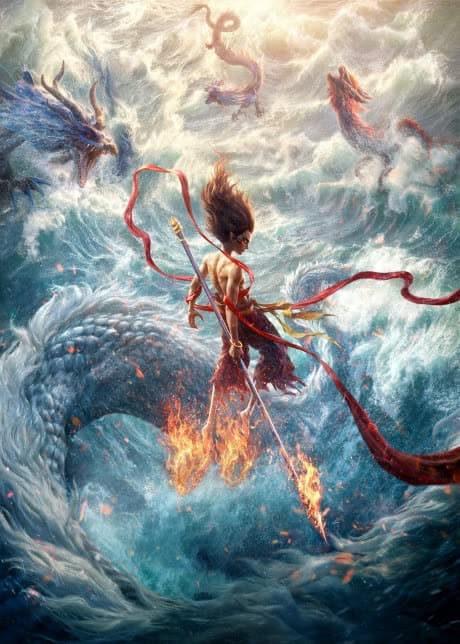
Feature films are their own third lane: mythology blockbusters (Ne Zha, Jiang Ziya) and art-driven originals (Deep Sea, Big Fish & Begonia), increasingly from purpose-built studios like Light Chaser Animation.
Why it looks and reads differently from anime
- Source material. Anime adapts manga; donghua overwhelmingly adapts web novels and manhua. Web novel structure (thousands of chapters, staged power systems, tournament arcs) shapes pacing.
- Platforms, not television. Donghua was born on streaming platforms, so episode lengths, release schedules, and season structures are flexible. Watching with danmu bullet comments on bilibili is part of the culture.
- Aesthetics. Guofeng ("national style") design draws deliberately on Chinese painting, opera, architecture, and dress. The industry's proudest invention, ink-wash animation, still echoes through modern work.
- Content boundaries. Chinese regulation shapes what reaches the screen; famously, danmei romance novels are adapted as intense devoted partnerships rather than explicit romance.
Is it any good?
The honest answer: the median 3DCG cultivation serial is comfort food, and the top end is world-class. Fog Hill of Five Elements contains some of the best 2D action animation made anywhere this decade. Link Click is a genuinely great thriller by any country's standard. And in 2025, Ne Zha 2 became the highest-grossing animated film ever released, the first non-Hollywood film to top that chart.
Where to start
See Donghua for Beginners for a full starter list, and Where to Watch Donghua for legal streaming options in English. If you want the vocabulary first, the glossary and Cultivation 101 explain every term you will run into.